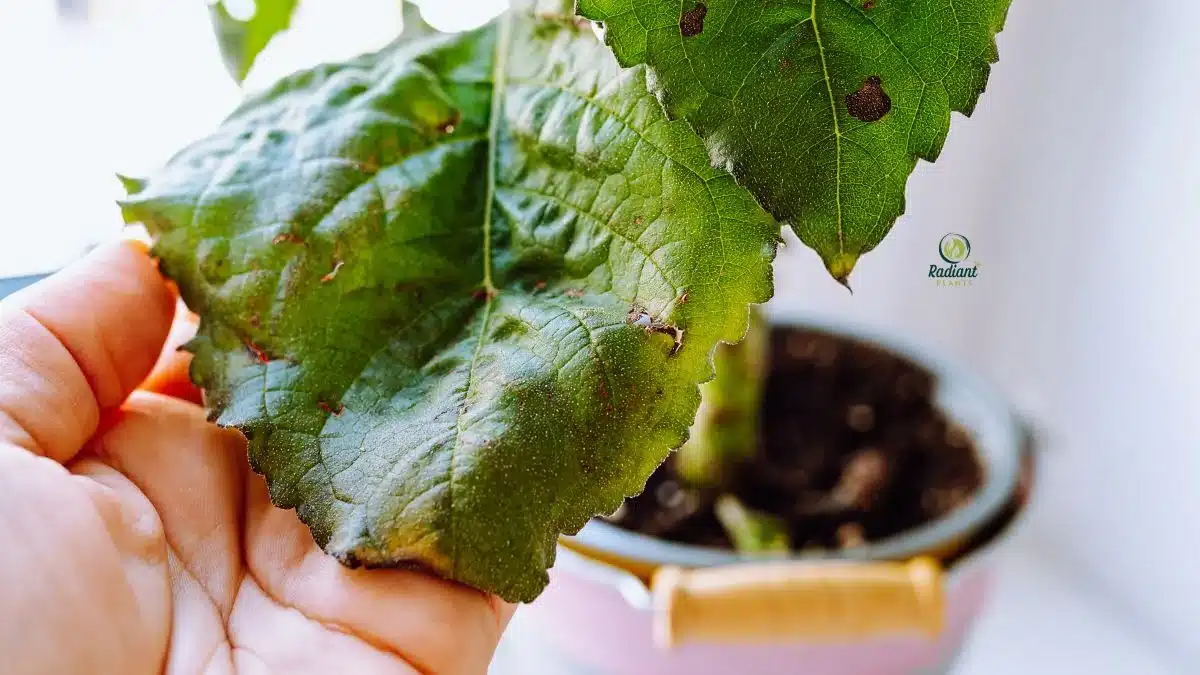
A widespread website threat to floral health globally, fungal infections represent a significant obstacle for farmers and gardeners alike. These invaders, often invisible to the naked eye initially, can promptly colonize foliage, stems, and roots, resulting in a spectrum of indications including spots, bending, and even botanical death. Conditions such as high humidity, poor ventilation, and less-than-ideal soil conditions often promote their spread. Appropriate prevention approaches necessitate a mixture of preventive practices, immune varieties, and, when required, targeted fungicides. Ignoring these problems can lead to substantial monetary damages and diminished harvests. Moreover, some fungal diseases can pose a risk to consumer health.
Plant Illnesses
Plant production faces a significant threat from viral diseases, often spreading rapidly and causing substantial financial losses. These infections, caused by microscopic viruses, can devastate entire fields, leading to reduced output and impacting food security. Different to bacterial or fungal infections, crop diseases often have no cure, relying on preventative approaches like resistant cultivars and strict quarantine protocols. The rapid internationalization of goods also facilitates the extensive dissemination of these pathogens, demanding continuous monitoring and research to develop effective prevention methods and safeguard agricultural supplies. Farmers and researchers are working diligently to fight these challenges.
Bacterial's Blight: Causes and Control
Bacterial blight poses a major threat to many plants globally. Typically, it's resulting from specific bacterial organisms, like *Xanthomonas* or *Pseudomonas*, that enter plant tissues through lesions, such as injured spots. Ideal environmental factors, like warmth and wetness, can dramatically increase the development of the illness. Prevention methods involve a combination of approaches, like planting resistant crops, cleaning practices to remove infected debris, crop rotation, and, when necessary, the careful application of approved chemicals. In the end, a early approach is essential for limiting damage and maintaining crop yields.
Nematode Damage: Identification and Management
Root-knot nematodes pose a significant threat to a wide range of crops, causing considerable yield decreases. Initial symptoms of nematode damage can be subtle, often appearing as stunted development or a general lack of vigor. Careful inspection of roots is crucial; characteristic galls – swollen, tumor-like formations – are a key diagnostic feature for root-knot nematodes. Foliar blemishing or yellowing might also suggest an underlying nematode problem, particularly if combined with root damage. Eradication strategies include a combination of cultural practices, such as crop rotation with non-host plants, ensuring good soil aeration, and utilizing disease-free seed. Biological suppression with beneficial nematodes or other soil lifeforms can offer an supplemental layer of protection. In some situations, nematicides may be required as a last resort, but should be applied judiciously following label instructions and considering environmental effects.
Identifying Plant Illnesses
Accurate identification of plant diseases is vital for maintaining healthy plants and avoiding significant production losses. This practical guide provides a framework to diagnose common plant ailments, focusing on visual symptoms. We'll examine a range of methods, from thorough observation of growth and stalks to assessing soil conditions and climatic influences. Find out how to differentiate between viral infections, vitamin deficiencies, and pest infestations. Ultimately, early and accurate diagnosis enables timely intervention, resulting in more vigorous plants and a more abundant yield. Keep in mind the importance of documentation keeping for future reference.
Understanding Physiological Disorders Mimicking Disease
It's crucial to appreciate that numerous organic conditions can present with symptoms remarkably comparable to those seen in actual illness. These disorders, arising from abnormal bodily functions rather than underlying disease, can genuinely mimic a extensive range of conditions, from cardiovascular ailments to brain disturbances. For case, adrenal dysfunction may cause variations in blood pressure and salts that resemble signs of kidney malfunction or endocrine imbalances. Similarly, certain hormonal shifts can trigger occurrences of anxiety or heart racing that replicate the symptoms of panic disorder. This phenomenon underscores the necessity of a thorough medical evaluation to correctly distinguish between a true disease state and a physiological irregularity, thus preventing unnecessary interventions and providing the appropriate care.